1. Rolling into Pittsburgh: A Road Trip into the Heart of Pennsylvania
The journey into Pittsburgh began in the soft blue haze of early morning light, with a thermos of black coffee perched precariously between maps and snacks on the passenger seat. I had left the bustle of Columbus behind, setting out northeast on I-70 with little traffic and a clear stretch of open road. The horizon swelled with hills that slowly gave way to the wooded ridges of western Pennsylvania. By the time I crossed the Monongahela River and saw the first glint of Pittsburgh’s skyline, steel and glass rising from the riverbanks like a modern fortress, the anticipation had already settled in my chest.
Pittsburgh doesn’t arrive gradually. One moment you’re winding through tree-lined highways, and the next you’re diving into tunnels and emerging to sweeping city views. The Fort Pitt Tunnel opens like a curtain on a stage, and suddenly there it is—the confluence of rivers, the bridges like stitched seams in the city’s patchwork, and neighborhoods climbing hills like ivy.
Pittsburgh’s reputation as a steel town is well known, but beneath that industrial exterior lies a surprisingly rich cultural foundation. This trip wasn’t about sports bars or Primanti Brothers sandwiches. I was here to explore what Pittsburgh offers when you look beyond the rusted smokestacks and into the marble halls and vaulted ceilings of its museums. Over several days, I visited five institutions that left me captivated, moved, and occasionally overwhelmed by the depth of history and thought preserved within them.
2. The Carnegie Museum of Art: Where Classic Meets Contemporary
I began with one of Pittsburgh’s most famous institutions: the Carnegie Museum of Art. Pulling into the Oakland neighborhood, the towering pillars of the Carnegie complex immediately draw the eye. This building doesn’t whisper sophistication—it declares it. Built by Andrew Carnegie in the late 19th century, the museum was one of his first cultural endowments to a city he helped build.
Inside, it feels like stepping into another century, but one that keeps dragging the present in by the collar. The Hall of Sculpture evokes a Roman temple, with casts of classical statues gleaming under skylights. I found myself lingering near the plaster copy of the Apollo Belvedere longer than expected, marveling at the symmetry and serenity that these forms still communicate, even through imitation.
But just a few rooms away, that serenity fractures. The contemporary galleries shift the tone entirely. There’s grit here—color, movement, distortion. A neon-lit installation by Nam June Paik hummed in the corner while a massive piece of mixed media almost dared you to understand it. The museum doesn’t segregate eras; it lets them argue across corridors. And that’s what makes it gripping. There’s a boldness to its curation, a willingness to allow discomfort, surprise, and even confrontation between works.
One highlight was the Heinz Architectural Center, which had a temporary exhibit on mid-century American housing. Floor plans, blueprints, and even household appliances were on display, allowing for a rare and intimate glimpse into the domestic ideals of the past. It’s easy to forget how much of art is tied to everyday life—this exhibit made that impossible.
3. The Carnegie Museum of Natural History: Dinosaurs, Gemstones, and Deep Time
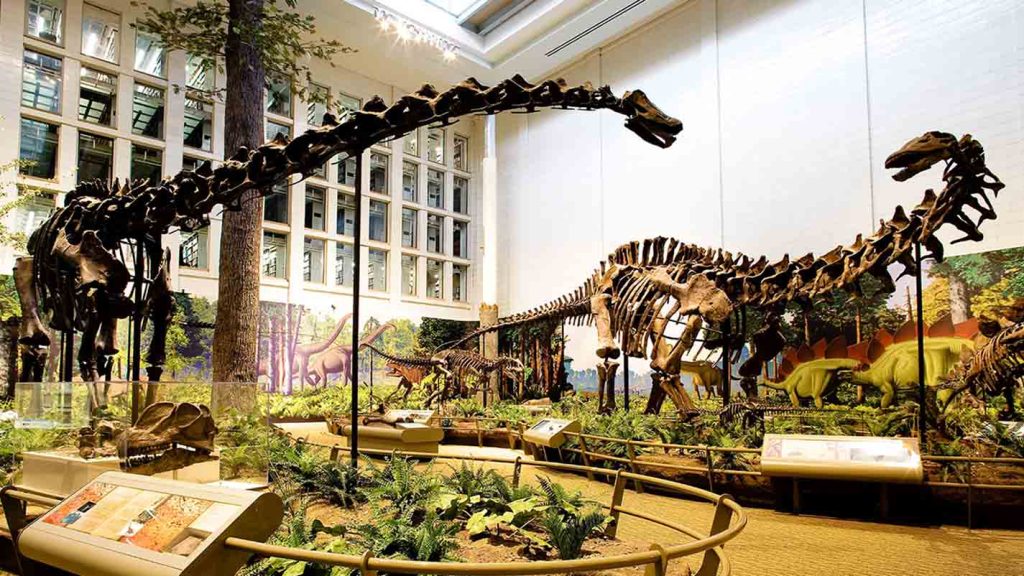
Connected by a single doorway, the Carnegie Museum of Natural History is not just next door to the art museum—it’s inseparable from it, physically and historically. But if the art museum lifts the mind, the natural history museum roots it. It humbles. It speaks in epochs and skeletons.
The museum is famous for its dinosaur exhibit, and rightly so. The “Dinosaurs in Their Time” hall is immersive, detailed, and unapologetically grand. Real fossils—not casts—stand in dramatic poses. A Tyrannosaurus rex, jaws gaping, appears mid-lunge against a Triceratops frozen in defiance. The lighting casts dynamic shadows, making each fossil seem poised to move. There’s nothing childish or cartoonish about it. The science speaks clearly.
What struck me most was how the exhibition builds context. Fossils are presented in reconstructed ecosystems, surrounded by the flora and fauna of their time. A moss-covered forest floor, a steaming swamp, a volcanic backdrop—it all makes sense now why kids get obsessed with dinosaurs. It’s a door into imagination, but it’s also a mirror into deep time, into extinction and evolution, into how fragile and resilient life can be.
The Hillman Hall of Minerals and Gems was unexpectedly mesmerizing. It’s quieter there, dimly lit, with rows of glowing geodes, iridescent stones, and minerals shaped like coral reefs or broken chandeliers. Some were the size of fists; others loomed like altars. These were not just rocks. They were objects of profound geological storytelling.
4. The Andy Warhol Museum: Pop, Pittsburgh, and Provocation
Leaving Oakland, I crossed the Andy Warhol Bridge into the North Shore. The name isn’t a coincidence—Pittsburgh honors its icons, and Warhol is arguably its most enigmatic. The museum dedicated to his life and work occupies seven floors and feels like an autobiography written in silk screens, film strips, and tinfoil.
Walking into the Warhol Museum is like stepping into a mind that refused to settle. The first few floors offer intimate glimpses into Warhol’s childhood in a working-class Slovak family, complete with family photos, Catholic relics, and awkward teenage sketches. From there, the ascent is steep—literally and figuratively. Each floor amplifies the energy, reflecting Warhol’s evolution from a shy illustrator into a cultural oracle.
There are soup cans, of course, and Brillo boxes stacked like supermarket aisles. But there’s also his lesser-known work—dark, brooding portraits, experimental films played on loops in pitch-black rooms, and deeply personal pieces like his “Time Capsules,” boxes of objects he collected daily, unopened until after his death.
What stayed with me was his relationship with fame and death. Warhol didn’t just document celebrity culture; he disassembled it. His silkscreened portraits of Marilyn Monroe, Elvis, and Jackie Kennedy stare at you with both intimacy and detachment. And then, on another wall, his Death and Disaster series slaps you back to reality—electric chairs, car crashes, suicides. The contrast is jarring. Necessary.
The museum is more than a tribute to one man; it’s a labyrinth of American identity, artifice, and ambition. And it challenges you to think whether art should soothe or provoke—or both.
5. The Senator John Heinz History Center: Layers of the Local
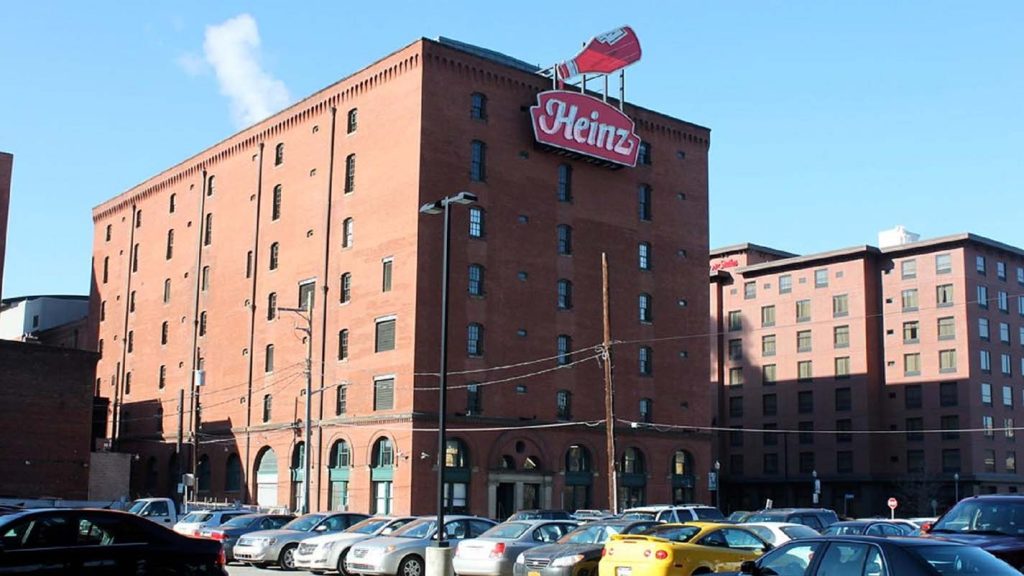
Tucked into the Strip District, the Heinz History Center surprised me the most. I expected a modest museum dedicated to ketchup and perhaps some industrial history. I got a six-floor epic.
The building itself is part of the narrative—an old ice warehouse transformed into a museum that feels more like a curated attic of the city’s collective memory. Exhibits range from the Revolutionary War to the steel industry to Mister Rogers’ Neighborhood, and each one pulses with authenticity.
I started in the “Pittsburgh: A Tradition of Innovation” exhibit. Here, inventions and innovators stretch across centuries. The first commercial radio station, pioneering medical breakthroughs, robotics—all of it rooted in this unassuming city cradled between rivers.
The “From Slavery to Freedom” exhibit was especially poignant. Artifacts from the Underground Railroad, documents from freedmen’s schools, and interviews with descendants paint a vivid, often harrowing, picture of African American life in western Pennsylvania. It’s regional history with national resonance.
Then there was the Sports Museum—an entire floor dedicated to Pittsburgh’s athletic legacy. Even as someone who didn’t come for sports, it was hard not to feel something in front of the Immaculate Reception video, looping silently in the background.
And yes, there is a section on Heinz ketchup. Complete with vintage bottles, old advertisements, and a walk-through of the factory’s evolution. But in the context of everything else, it felt less like a quirky add-on and more like part of a larger narrative: innovation, ambition, and the flavors that defined a region.
6. The Frick Pittsburgh: Industrial Gilded Elegance
Out in Point Breeze, the Frick Pittsburgh offers a change of pace. After the bold statements of Warhol and the grandeur of Carnegie, the Frick whispers. It is elegance refined. The estate includes Clayton, the restored home of Henry Clay Frick, as well as a car and carriage museum and a compact yet impressive art museum.
Touring Clayton is like stepping into a world where time paused for tea. The furnishings, wallpaper, and even the children’s toys are original, preserved to exacting standards. A guide led our small group through drawing rooms and parlors, explaining the rituals of Gilded Age family life. It’s immersive, and slightly voyeuristic, like peering into someone else’s memory.
The Car and Carriage Museum turned out to be more fascinating than I anticipated. Early motor cars, horse-drawn sleighs, and even a few custom-built limousines reveal how transportation shaped the experience of wealth and modernity.
The Frick Art Museum, while smaller than the Carnegie, holds its own. The collection focuses on Renaissance and Baroque art, mostly European, and includes works by Rubens and Fragonard. The galleries are quiet, bathed in natural light, with plenty of room to linger and reflect.
It was here that I finally felt the tempo of the trip slow down. Surrounded by 17th-century portraits and manicured gardens, the hum of the city seemed far away. And in that distance, the layers of Pittsburgh began to settle in my mind: industrial titan, artistic innovator, historical witness, cultural crossroads.
7. Back on the Road: Heading Out with a Head Full of Stories
The road out of Pittsburgh winds through steep tunnels and over arching bridges, the city always at your back in mirrors. The museums I visited weren’t just buildings full of artifacts—they were extensions of the city’s past and present, speaking in different dialects of culture, memory, and imagination. Each one offered not just knowledge but perspective, challenging me to see Pittsburgh not as a relic of industrial glory, but as a living museum of American complexity.
The sky turned a pale peach as I merged back onto the highway, the rivers fading into the folds of the land. Somewhere behind me, dinosaurs slept in plaster beds, neon lights flickered over soup cans, and marble angels watched over Frick’s parlor. What I took with me was more than photographs. It was a layered experience—part intellectual, part emotional—etched into the map of my memory with the precision of a curator’s hand.