1. Early Morning in Erie
Erie in December has a stark, almost cinematic quality to it. The lake doesn’t sparkle; it looms. Wind moves across the ice-crusted shoreline in quiet gusts, scattering snow like ash. I woke before sunrise in a modest motel near Presque Isle. The room was warm, the windows fogged. Outside, the parking lot bore the imprint of a light overnight snow, the kind that dusts everything but doesn’t quite demand a shovel.
By 7:30 a.m., the car was warming up, windshield slowly shedding its layer of frost. There’s a particular kind of silence in Erie in early winter. It’s not emptiness—more like the sound of a place settling in for the long haul. I stopped at a Tim Hortons on Peach Street for coffee and a breakfast wrap—quick, hot, and comforting—then headed for I-79 South. The plan was simple: take the most direct route to Pittsburgh, but leave time for detours and unscheduled stops.
2. Setting Out on I-79: A Highway Framed by Snow
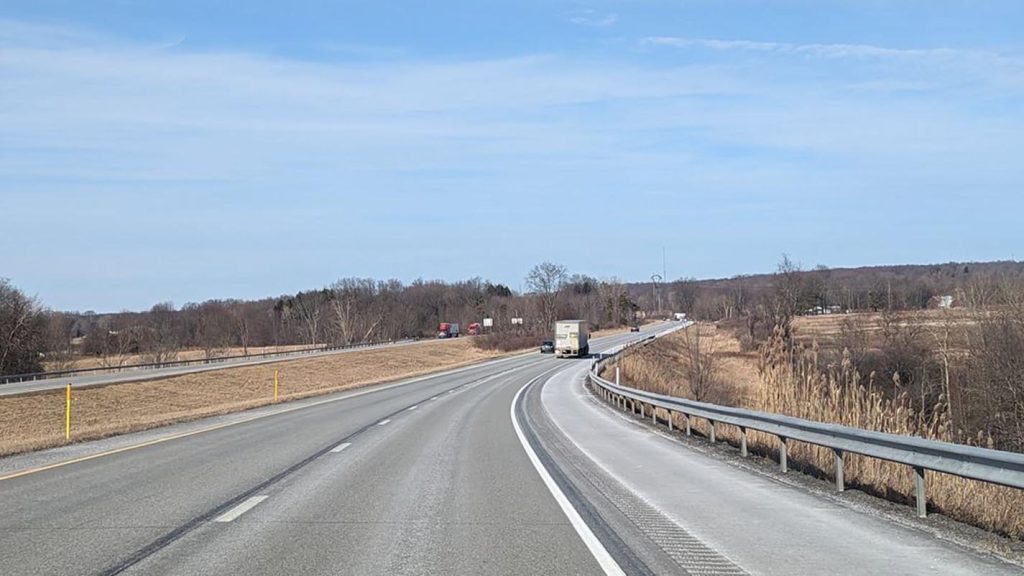
Interstate 79 runs due south, cutting through Pennsylvania’s western flank like a spine. In December, it’s a corridor through subdued landscapes. Gone are the fiery reds and golds of October. Now, everything is hushed—grays, whites, pale browns. Even the evergreens seem muted, dusted with snow and shadow.
The traffic was light, the sky overcast. Clouds hung low like wet wool, and the sun struggled to break through. I kept the heater on low and the seat warmers on high. It was the kind of morning made for driving—no blinding sun, no rush, just a steady roll over gently rising hills.
Near McKean, snow began to fall again—light at first, then heavier as I approached Edinboro. Visibility dipped just enough to require focus. The roads had been salted, and tire tracks left long, dark stripes down the asphalt. It wasn’t dangerous, just… quieting. The kind of weather that forces reflection.
3. The Stillness of Meadville
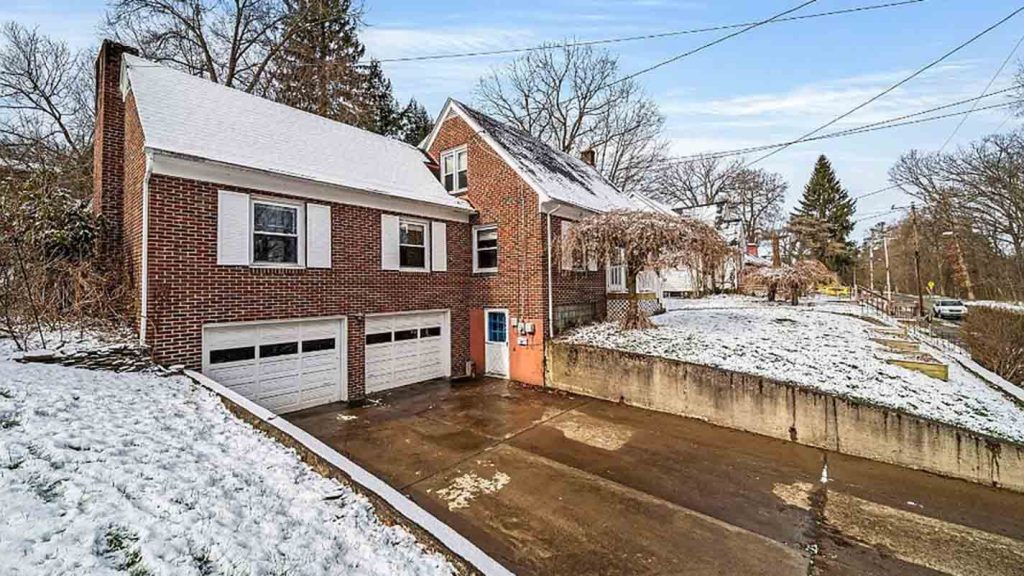
About an hour in, I exited toward Meadville. The town looked like it had been placed under glass: snow clinging to rooftops, bare trees laced with ice, smoke curling up from chimneys. I parked along Chestnut Street and walked a block or two. The sidewalks had been cleared by someone who clearly knew their way around a snow shovel.
I found a café that was still open despite the mid-morning lull—French Creek Coffee & Tea Co. Inside, everything smelled of cinnamon and roasted beans. I ordered a dark roast and sat by the window. Outside, a couple in parkas walked slowly, hand-in-hand, leaving twin tracks in the snow. There wasn’t much sound—just the hum of the espresso machine and the soft scraping of snowplows somewhere in the distance.
Meadville has the kind of charm that doesn’t announce itself. You have to stop, look around, and let it settle in. I didn’t stay long—just enough to warm up, stretch my legs, and soak in the stillness before returning to the car.
4. Mercer and the Midpoint Quiet
South of Meadville, the snow tapered off. The sky lightened a little but stayed a stubborn gray. Fields stretched out along the highway—flat and wide, like frozen seas. Trees lined the edges like sentinels, branches bare but beautiful.
I took the exit for Mercer around 11:00 a.m. The town square was dusted with snow, holiday lights strung across lampposts, and a Christmas wreath hung crookedly on the courthouse door. It looked like a postcard in motion. I walked into a local diner for a bite—eggs, toast, and black coffee served without pretense. The waitress wore a green sweater with reindeer and greeted regulars by name. The kind of place that makes you nostalgic for something you never actually had.
Back on the road, the drive from Mercer to Zelienople felt even quieter than before. Snow-covered hills replaced farmland, and patches of frozen forest began to appear. The trees, silhouetted against the overcast sky, created a kind of monochrome rhythm that suited the mood.
5. Zelienople in Winter Light
By early afternoon, I reached Zelienople. In summer or fall, it’s quaint. In December, it feels enchanted. The storefronts were trimmed with garland. Frost traced the edges of display windows. I parked and walked the length of Main Street, stopping into a bookstore and a small bakery. There’s a rhythm to towns like this in the colder months—fewer people, slower pace, a kind of softness to everything.
I settled into a small restaurant for lunch—turkey pot pie and a cup of mushroom soup. Outside, flakes began to fall again, drifting slowly through the air like feathers. It wasn’t dramatic, just persistent. The kind of snowfall that doesn’t call attention to itself but doesn’t stop either.
After eating, I lingered for a while, watching the snow build on the parked cars outside. Then it was time to keep moving.
6. The Approach to Pittsburgh: Traffic, Hills, and Bridges
South of Zelienople, the terrain becomes steeper. Hills rise more dramatically, and the highway carves its way through wooded ridges and sudden clearings. By the time I reached Wexford, traffic had thickened slightly. The snow had eased, but the sky remained dim and heavy. Holiday billboards appeared—ice skating, Christmas markets, winter garden lights. The city was getting close.
I merged onto I-279 near Franklin Park, and the descent into Pittsburgh began. This stretch of road winds through stone cuts and long tunnels, dipping down into valleys that only reveal their full shape when you’re already inside them. The Fort Pitt Tunnel marked the final threshold. Passing through, headlights lit the concrete walls. And then, almost without warning, the city appeared.
7. Pittsburgh in December
Emerging from the tunnel, the city unfolded—rivers, bridges, skyscrapers wrapped in cold light. The confluence of the Allegheny and Monongahela, merging to form the Ohio, was partially frozen near the banks. The bridges looked skeletal in the fading light, their steel girders catching the last of the day’s glow.
I crossed into the South Side and found lodging not far from the river. The buildings here—old brick, some converted warehouses—carry the city’s industrial memory with quiet dignity. I took a walk along the Three Rivers Heritage Trail as dusk arrived. Joggers in thermal gear moved past, and the trail lamps flickered on, casting long shadows over the frozen path.
8. An Evening in the South Side
For dinner, I chose a quiet bistro tucked between two rowhouses. Candles flickered on each table, and the menu leaned warm—braised short ribs, root vegetable risotto, red wine that left a pleasant burn. The server moved slowly, never rushed. Outside, the snow resumed, more insistent this time.
By 9:00 p.m., the streets had quieted again. Footsteps echoed against closed storefronts. Steam rose from manhole covers. I walked back slowly, the cold sharp against my face, gloves buried deep in pockets.
9. The City Awakens
Morning brought a steel-colored sky and fresh snow. I watched from my window as the city stirred: a cyclist in a bright jacket rode across the Smithfield Street Bridge, bundled commuters boarded a PAT bus, and smoke curled from vent pipes on every rooftop in sight.
I found breakfast at a small corner café—strong coffee, cranberry scone, and a window view of people moving in slow, winter motion. The sky had lightened slightly, though the clouds didn’t look inclined to break. The snow outside had softened everything, even the sound of tires on wet pavement.